




:max_bytes(150000):strip_icc()/GettyImages-928550046-60a39e36ac004bfb86d894b26d6f2a0b.jpg)





















Arabica Coffee Prices Reach Record Highs in Sulawesi
The price of Arabica coffee in Sulawesi has risen significantly due to growing local demand, limited supply, and global market pressures. Farmers are benefiting from higher prices, but climate change and production challenges remain major concerns.


Arabica Coffee Prices Reach Record Highs in Sulawesi
Makassar — Arabica coffee prices in Makassar and several regions across Sulawesi have reached their highest levels in recent years. The price of one kilogram of green bean Arabica coffee has climbed to around Rp160,000, marking an increase of about 30 percent in just three months.
Global conflicts have affected international coffee markets, while strong local demand has pushed prices even higher.
Sharp Price Increase in a Short Time
Khaeruddin (42), a coffee trader in Makassar, said the current price is the highest he has seen during his years in the business.
After remaining around Rp120,000 per kilogram last year, the price has surged to Rp160,000 per kilogram, rising by approximately Rp40,000 in less than three months.
“This is the highest price I have ever seen since I started trading coffee,” said the owner of the coffee brand Anoaco.
He explained that the increase has occurred almost every week. The rise over the past three months nearly matches the total price increase he experienced during nine years of selling coffee.
Limited Supply After Harvest Season
According to Khaeruddin, one reason for the price surge is the declining coffee stock in South Sulawesi and nearby regions, as the harvest season has already passed. The next harvest is expected to begin in April.
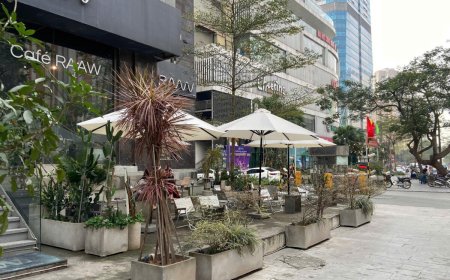
However, the main driver behind the rising prices is the rapidly increasing local demand, especially in Makassar. Coffee shops and cafés have been growing rapidly, appearing everywhere from small alleys to residential complexes.
Farmers Also Experience the Highest Prices
Yakub Tato, chairman of the Coffee Farmer Producers Cooperative in Mamasa, said that farmers are also experiencing the highest coffee prices in history.
Arabica coffee beans are currently sold at around Rp155,000 to Rp160,000 per kilogram at the farm level.
“Over the past three years, the price has continued to rise—from around Rp95,000 gradually to Rp120,000. But this year the increase has been extraordinary. Since coffee has been traded, this is the highest price we have seen,” Yakub explained.
Higher prices have encouraged farmers to work harder and improve their productivity. They are now more motivated to maintain their coffee plants and expand cultivation.
Strong Domestic Demand
Yakub added that demand continues to grow rapidly, particularly in the domestic market. Coffee consumption is increasing by about 8 percent each year, while production is struggling to keep up.
Weather changes and climate-related issues are among the factors affecting production.
Because demand remains high, Yakub admitted he often struggles to fulfill orders and sometimes has to postpone sales.
Currently, his stock has run out, and the next harvest will only begin next month. For this reason, he is less concerned about global market fluctuations caused by geopolitical conflicts.
“Our local market is still very strong in absorbing coffee production,” he said.
Yakub hopes the government will support farmers by providing production equipment, harvest preparation assistance, and financial support to maintain sustainable coffee cultivation.
Coffee Culture Continues to Grow
Coffee demand in Indonesia is increasingly visible in everyday life. Coffee shops are growing rapidly, almost like mushrooms after rain.
From teenagers to older adults, people enjoy drinking coffee from morning until late at night. Indonesia, once mainly known as a coffee producer, is now becoming one of the fastest-growing coffee consumer markets in Asia.
Coffee consumption in Indonesia has tripled since before the pandemic, reaching 4.8 million bags in 2025. With one coffee bag equivalent to 60 kilograms, total national consumption reached approximately 288,000 tons last year.
The rise in domestic consumption is closely linked to the growing café culture, especially among urban youth.
In 2023, the Indonesian coffee shop market was estimated to generate US$2.1 billion (around Rp34 trillion) in sales, with an annual growth rate of about 10 percent.
Climate Change Threatens Coffee Production
Despite the strong market demand, coffee farming is facing serious environmental challenges.
In tropical plantations where coffee grows, changing seasons have become a major concern. Temperatures exceeding 30°C for several consecutive days, unpredictable rainfall, and falling coffee blossoms before fruit formation have become common problems.
In 2025, Indonesia recorded more than 100 extremely hot days, which could potentially damage coffee crops.
These climate conditions have also contributed to rising global coffee prices.
Over the past year, coffee bean prices in Indonesia have increased by about 15 percent, while global prices have surged by nearly 46 percent.
The global price of coffee rose from around US$2.63 per kilogram in 2023 to US$4.86 in 2025.
This increase is not only caused by market speculation or trade disruptions but is also closely linked to the ongoing climate crisis affecting agricultural production.
Agroforestry as a Possible Solution
Yosi Amelia, Lead Program for Climate and Sustainable Ecosystems at the Madani Berkelanjutan initiative, said that agroforestry systems could help stabilize coffee farming ecosystems in the face of climate change.
Coffee plantations with shade trees can create a more stable microclimate, maintain soil moisture, and reduce the impact of extreme temperatures and unpredictable rainfall.
What's Your Reaction?