




:max_bytes(150000):strip_icc()/GettyImages-928550046-60a39e36ac004bfb86d894b26d6f2a0b.jpg)











New Study Finds Link Between Sleep, Physical Activity, and Mood in Mental Health Patients
A new study reveals that sleep patterns and physical activity are closely linked to mood among people seeking mental health care, highlighting the importance of healthy daily habits.


Sleep and physical activity are often considered essential components of a healthy lifestyle. A new scientific study now suggests that these daily habits may also play an important role in shaping mood, particularly among individuals seeking mental health care.
The research, conducted by a team of scientists and published as an original investigation in the field of psychiatry, examined the relationship between sleep patterns, physical activity levels, and emotional well-being.
Understanding the Connection Between Lifestyle and Mental Health
Mental health conditions affect millions of people worldwide, and researchers continue to explore how everyday behaviors influence psychological well-being.
In this study, scientists investigated how sleep duration, sleep quality, and levels of physical activity relate to mood among individuals receiving or seeking mental health care.
The findings suggest that these lifestyle factors are closely connected to emotional health.
The Role of Sleep in Emotional Well-Being
Sleep plays a crucial role in maintaining both physical and mental health. Insufficient or poor-quality sleep has long been associated with various mental health challenges, including stress, anxiety, and mood disturbances.
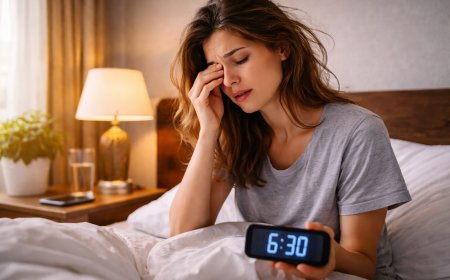
According to the study, irregular sleep patterns or inadequate rest may negatively affect mood and emotional stability. Individuals who experience disrupted sleep may be more likely to report lower mood levels.
These results highlight the importance of maintaining healthy sleep habits as part of overall mental health care.
Physical Activity as a Support for Mental Health
In addition to sleep, the study also examined the impact of physical activity on mood.
Regular physical activity has been widely recognized as beneficial for mental health. Exercise can help reduce stress, improve energy levels, and support emotional balance.
The researchers found that individuals who engaged in higher levels of physical activity tended to report more positive mood states compared to those with lower activity levels.
This finding reinforces the idea that even moderate physical activity may contribute to improved emotional well-being.
Using Technology to Monitor Daily Habits
The study also highlights the growing role of modern technology in mental health research. Data related to sleep and physical activity can now be collected through wearable devices and digital health tools, allowing researchers to monitor lifestyle patterns more accurately.
These technologies provide valuable insights into how everyday behaviors influence mental health over time.
By analyzing real-world data from daily routines, researchers can better understand how sleep and physical activity interact with emotional states.
Implications for Mental Health Care
The findings of the study suggest that lifestyle factors such as sleep and physical activity should be considered important components of mental health care.
Improving sleep habits and encouraging regular physical activity may help support emotional well-being for individuals experiencing mental health challenges.
While lifestyle changes alone may not replace professional treatment, they can serve as valuable complementary strategies in maintaining mental health.
A Holistic Approach to Mental Well-Being
Researchers emphasize that mental health is influenced by a combination of biological, psychological, and lifestyle factors.
By understanding how daily behaviors affect mood, healthcare professionals may be able to develop more holistic approaches to supporting mental health.
As scientific research continues to explore these connections, the importance of sleep, physical activity, and healthy routines becomes increasingly clear in promoting overall well-being.
What's Your Reaction?