





:max_bytes(150000):strip_icc()/GettyImages-928550046-60a39e36ac004bfb86d894b26d6f2a0b.jpg)




















Impacted by the Climate Crisis: How Extreme Heat Is Driving Coffee Prices Higher
Climate change is intensifying heatwaves across key coffee-producing countries, damaging crops and pushing global coffee prices to record levels. With suitable farmland projected to decline significantly by 2050, farmers are adopting climate-resilient methods such as shade-grown coffee to protect yields, biodiversity, and the future of the global coffee supply.

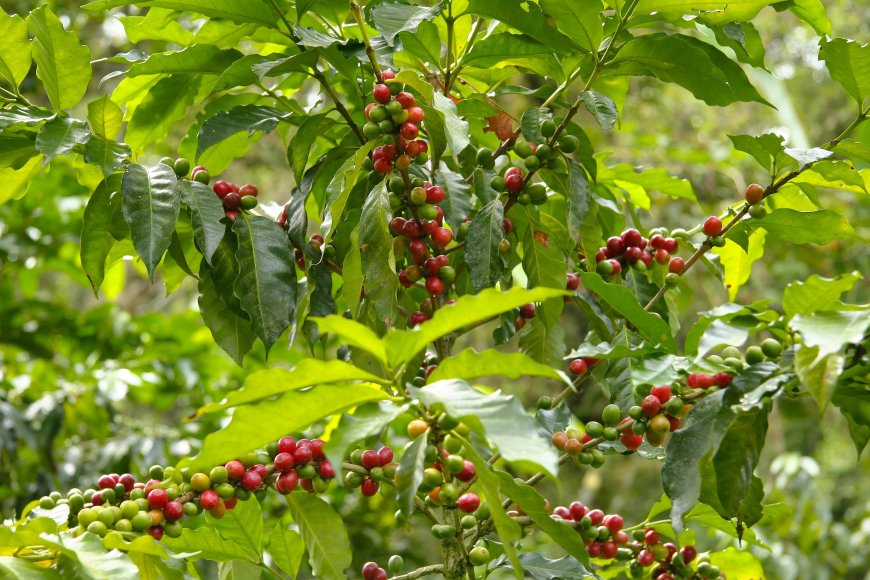
For many people, coffee is part of a daily routine. Yet every cup of coffee carries a long story from the production source—including the growing challenges of increasingly unpredictable extreme weather.
The coffee industry is now under pressure from the climate crisis. Rising carbon emissions are triggering changes in temperature and rainfall patterns, directly affecting productivity and crop quality. In coffee-producing regions around the world, farmers are facing unpredictable seasons, crop failures, and declining yields.
A recent report from Climate Central reveals a harsh reality: climate change is drastically reshaping the global coffee production landscape, making coffee harder to grow and more expensive to buy.
Recent analysis shows that during the 2021–2025 period, climate change has “injected” additional heatwaves that damaged crops across nearly all major coffee-producing regions worldwide. Without action, our daily caffeine ritual could become a relic buried beneath rising temperatures.
Coffee plants, especially the Arabica variety, are highly sensitive to temperature. A survey of 25 producing countries indicates that between 2021 and 2025, climate change significantly increased the number of days with crop-damaging heat.
The dangerous temperature threshold for coffee is above 30°C (86°F). Beyond this point, heat can damage both yield and quality, particularly for Arabica, which already experiences stress at temperatures as low as 25°C.
The Numbers from Five Coffee Giants
Brazil, Vietnam, Colombia, Indonesia, and Ethiopia account for about 75% of the world’s coffee supply. However, these five major producers are now facing serious pressure due to global warming.
In Brazil, climate change has contributed to approximately 70 additional days of extreme heat each year. Indonesia has experienced around 73 additional dangerous heat days annually. Meanwhile, Vietnam and Colombia face increases of 59 and 48 risky heat days, respectively. In Ethiopia, there are an average of 34 extra extreme heat days each year.
These increases are more than just statistics. Excessive heat disrupts flowering stages, reduces bean quality, and heightens the risk of crop failure—posing a real threat to the sustainability of global coffee production.
On average, these countries now experience about 57 additional days of coffee-damaging heat annually due to carbon pollution.
Direct Impact on Consumers’ Wallets
Have you ever wondered why the price of your favorite latte or packaged coffee keeps rising? The answer goes beyond ordinary inflation—it is a domino effect of the climate crisis. In December 2024 and February 2025, global coffee prices reached record highs.
Severe drought in Brazil in 2023, followed by heatwaves scorching global farmlands, has placed immense pressure on coffee supply. Behind every price increase at the checkout counter lies extreme weather damaging farmers’ harvests.
A Changing Future
Without proper adaptation, suitable land for coffee cultivation could shrink by up to 50% by 2050. Most coffee farmers are smallholders with less than 12 hectares of land, placing them on the frontlines of this struggle.
However, there is still hope amid the rising heat. Farmers are racing to adapt, including by implementing sustainable agricultural practices. One such method is shade-grown coffee, where trees are planted to shield crops from extreme heat while preserving biodiversity.
These strategies are not only about protecting the flavor in our coffee cups, but also about safeguarding ecosystems and wildlife habitats for the future.
The climate crisis is no longer a distant prediction. By supporting climate-resilient farming practices, we are not only protecting the environment but also ensuring that the aroma of coffee remains for generations to come.
What's Your Reaction?