




:max_bytes(150000):strip_icc()/GettyImages-928550046-60a39e36ac004bfb86d894b26d6f2a0b.jpg)
















Gen Z, Coffee, and the Retreat of Alcohol from the Social Scene
An overview of how coffee culture is replacing alcohol in Gen Z’s social life, signaling broader lifestyle, cultural, and even legal implications in modern society.

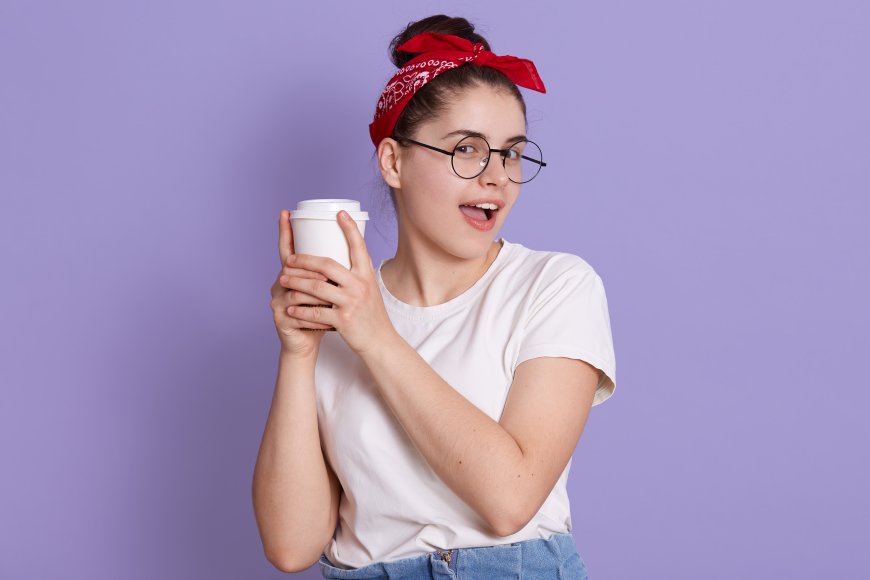
If in the past people were considered cool for hanging out at bars with a glass of alcohol in hand, the scene is now shifting. Young people—often referred to as Gen Z—are more familiar with coffee cups than liquor bottles. Whether it’s espresso, palm sugar latte, or matcha greener than an ex’s empty promises, these drinks have become new social symbols.
This phenomenon is not just anecdotal. The global alcoholic beverage industry reportedly experienced a sharp decline in sales in early 2026. Meanwhile, coffee shops are growing rapidly. From small towns to big cities, cafés are multiplying—sometimes just a few steps apart.
A Jakpat survey states that around 66% of Indonesian Gen Z regularly drink coffee. That means two out of three young people are more likely to memorize seasonal coffee menus than the names of their local parliament members. Coffee is no longer just a way to fight drowsiness; it has become a social ritual—a place for discussions, assignments, community meetings, or simply using WiFi and power outlets.
A 2023 Technomic study found that 45% of Gen Z coffee drinkers prefer customizable beverages. Oat milk, less sugar, extra shots, no ice but still cold—everything can be tailored. Coffee has become a medium of self-expression, a liquid version of “this is so me.”
Meanwhile, alcohol is gradually losing its appeal among young people. Drunkenness, once seen as a symbol of freedom, is now more often associated with losing control. And Gen Z—with its productivity mindset and self-awareness—seems less interested in losing control. They would rather lose WiFi signal than lose consciousness.
Globally, coffee consumption has grown by about 3.4%, and in Asia it has surged to 14.5%. Indonesia alone is projected to consume around 4.8 million bags of coffee in 2025—proof that the country is not only rich in coffee beans, but also in reasons to gather over coffee.
This shift also reshapes social spaces. While previous generations spent nights in bars or clubs, Gen Z tends to stay in cafés until closing—not to get drunk, but to study, play games, or create content. Cafés have become safe spaces: bright enough, lively enough, and aesthetic enough for photos.
From a legal perspective, this trend is interesting. Indonesia’s new Criminal Code (Law No. 1 of 2023), Article 316, states that public intoxication that disturbs order can result in fines of up to IDR 10 million, or even imprisonment if it endangers others. Fewer intoxicated individuals in public could mean fewer related violations.
Research also shows that alcohol consumption often triggers conflict. Families frequently feel sadness and frustration when loved ones fall into alcohol abuse. At the community level, responses often range from warnings and guidance to moral counseling and social supervision.
In criminology, the concept of “different opinion” suggests that good and bad are often culturally defined. In environments where drunkenness is normalized, it becomes ordinary. But when culture shifts—when coffee becomes more dominant than alcohol—social standards change. Drunkenness is no longer cool; it may even be embarrassing.
Still, modern criminology reminds us that alcohol abuse cannot be viewed solely as individual wrongdoing. Poverty, economic pressure, social environment, and weak social control all play roles. Therefore, solutions must go beyond punishment to include prevention, guidance, and rehabilitation.
Gen Z may not be consciously trying to save the world from alcohol. They simply seek comfortable spaces, enjoyable drinks, and a clear mind. Yet from a simple cup of coffee, a meaningful social change seems to be brewing.
Perhaps revolutions do not always begin with fiery speeches. Sometimes they begin with a barista asking, “How much sugar would you like?”
What's Your Reaction?